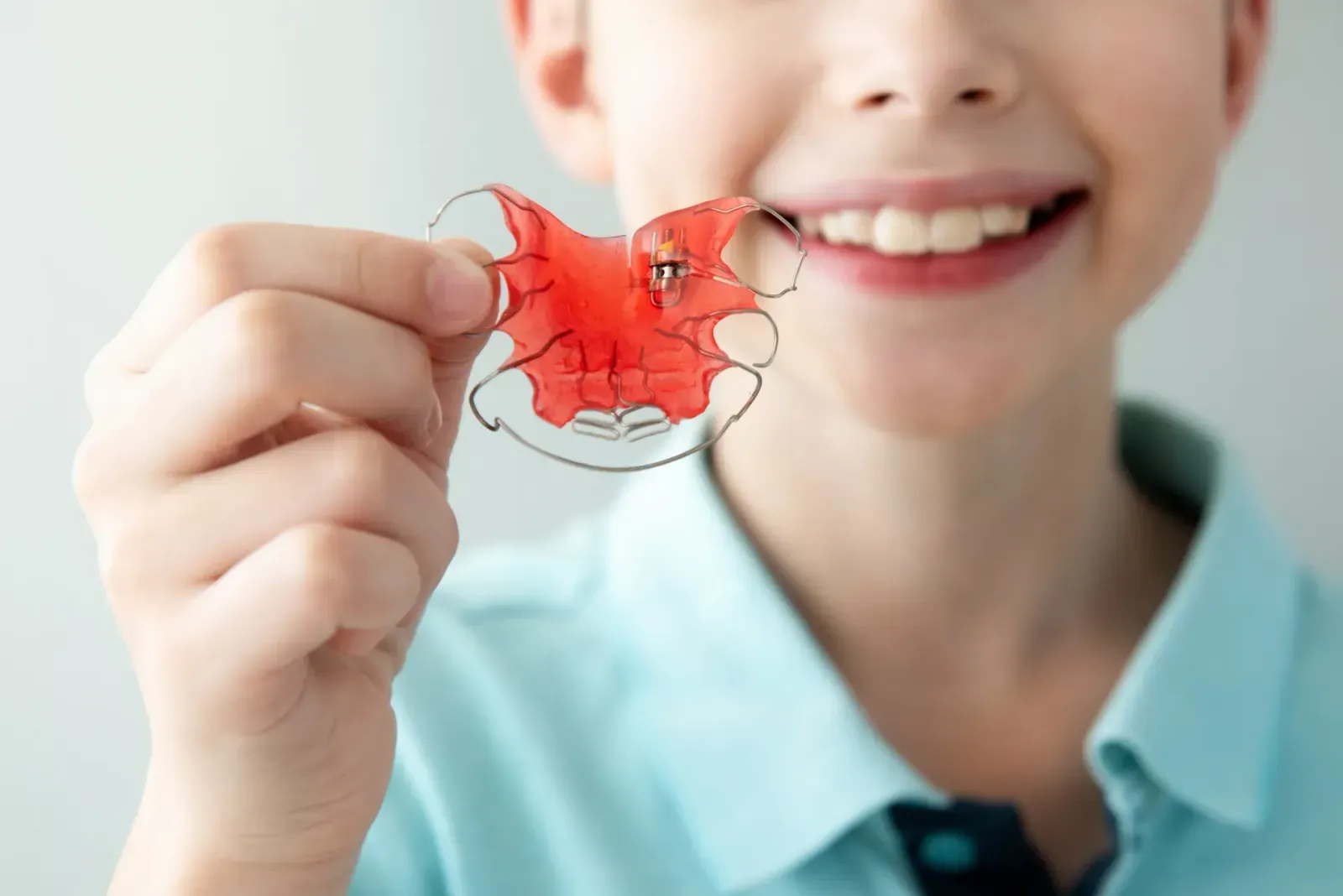
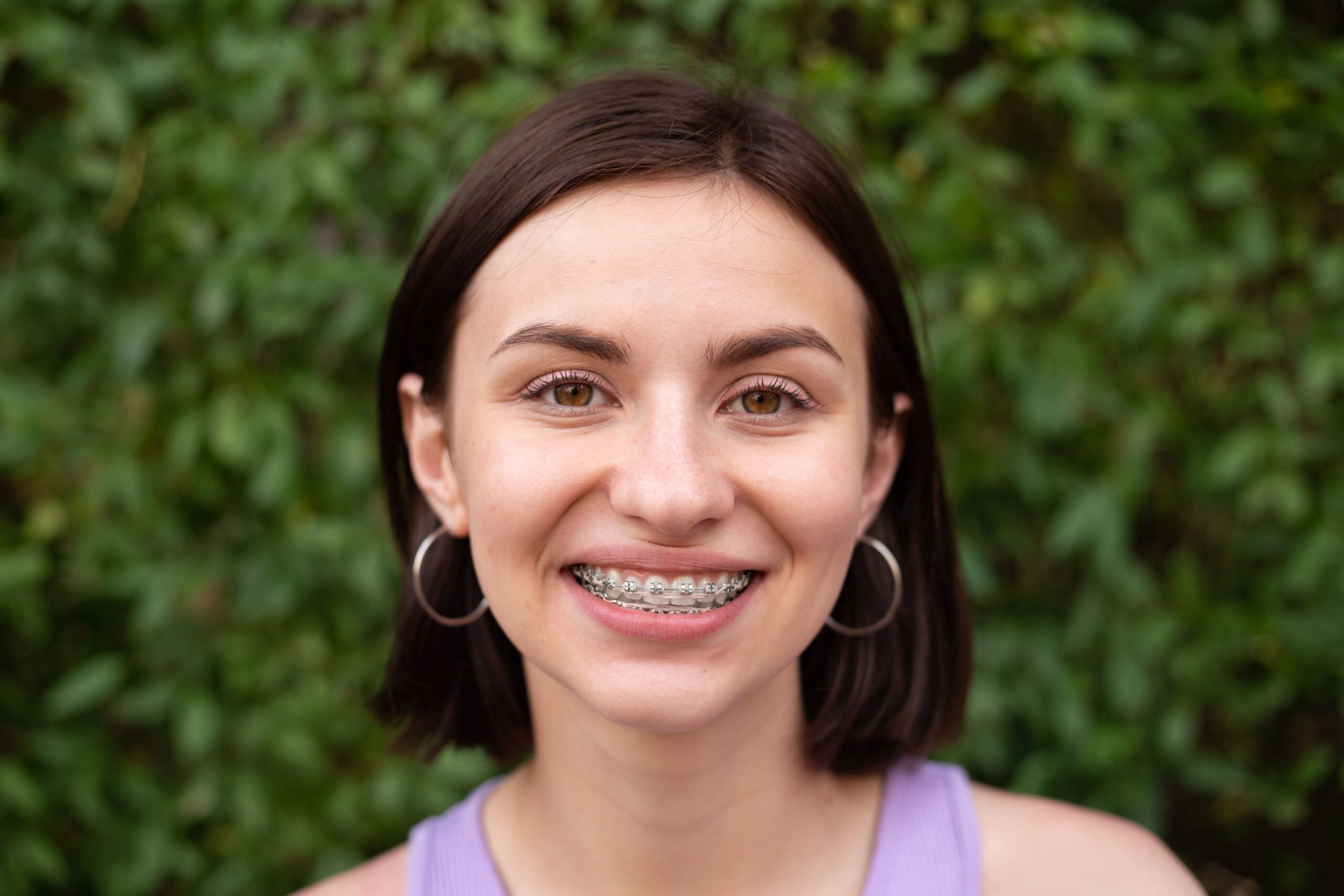
Finishing braces or Invisalign is an exciting milestone. After months or years of orthodontic treatment, seeing a straight, confident smile can feel like a huge accomplishment. However, treatment does not truly end the day your braces come off or you finish your last set of clear aligners. The retention phase is what helps protect the smile you worked so hard to achieve.
A retainer is designed to hold your teeth in their new positions after orthodontic treatment. If you stop wearing it, your teeth can begin to shift. For some people, the changes are minor at first. For others, teeth may move enough that the retainer no longer fits or additional orthodontic treatment is needed.
At Sweet Peach Orthodontics, Dr. Karolina Pelt helps children, teens, and adults in Woodstock, GA maintain healthy, beautiful smiles long after braces or Invisalign treatment is complete. Understanding why retainers matter can help you avoid unexpected changes and protect your investment in your smile.
Why Do Teeth Shift After Braces or Invisalign?
Orthodontic treatment moves teeth through the bone and supporting tissues around the roots. Whether you choose metal braces, clear braces, or Invisalign clear aligners, the goal is to guide teeth into more balanced, functional positions. Once active treatment ends, the teeth do not immediately become permanently fixed in place.
The bone and tissues around the teeth need time to adapt to their new locations. During this period, there is a natural tendency for teeth to drift toward their previous positions. This is called orthodontic relapse. It is one of the main reasons retainers are an essential part of every orthodontic treatment plan.
Teeth can also shift throughout life for reasons that have nothing to do with braces. Natural aging, changes in the bite, tooth grinding, missing teeth, gum concerns, and pressure from the tongue or lips can all influence tooth position over time. Even people who had orthodontic treatment years ago may notice that their front teeth have become more crowded or rotated. That is why a braces orthodontist does not view retainers as optional. Retainers help preserve the results of treatment and support the long-term stability of your smile.
What Happens If You Stop Wearing Your Retainer?
The most common result of not wearing a retainer is gradual tooth movement. At first, you may not notice a major difference when you look in the mirror. You might only feel that your retainer is slightly tighter than usual after skipping it for a few nights. That tight feeling can be an early sign that teeth have started to move.
If you continue going without your retainer, small changes can become more noticeable. A tooth may turn slightly, a small space may reopen, or lower front teeth may begin to overlap. Some patients also notice that their bite does not feel quite the same as it did immediately after treatment.
How quickly teeth shift is different for every person. Some people may have a retainer that still fits after a short break, while others may notice movement after only a few days or weeks. The risk is often greatest soon after braces or Invisalign treatment, when teeth are still adjusting to their new positions. However, retention remains important for the long term because teeth can move at any stage of life.
If your retainer no longer fits fully, feels painfully tight, cracks, or has been lost, it is best to contact a local orthodontist rather than trying to force it into place. Wearing a retainer that no longer fits correctly can be uncomfortable and may not be the right solution for your current smile.
Teeth Shifting After Braces: Common Signs to Watch For
Teeth do not always shift dramatically overnight. Many changes are gradual, which makes it helpful to know what to look for. You may be experiencing orthodontic relapse if you notice that your retainer feels different than it used to, especially when you first put it in at night.
Other possible signs include a new gap between teeth, crowding in the lower front teeth, one tooth looking slightly crooked, or a bite that feels uneven. You may also see a change in how your upper and lower teeth come together when you bite down.
For patients who completed Invisalign treatment, the warning signs are similar. Your final aligner or retainer may feel tight, not seat all the way onto the teeth, or appear slightly lifted in one area. These signs do not automatically mean that you need braces again. They do mean it is worth having a trained orthodontist examine your teeth and recommend the next step.
Dr. Pelt takes a personalized approach to orthodontic care. If you are concerned that your teeth have shifted after braces or clear aligners, she can assess the amount of movement, evaluate your bite, and explain the options that make sense for your needs.
Can You Wear an Old Retainer to Move Teeth Back?
This is one of the most common questions patients ask after realizing they have not worn their retainer consistently. The answer depends on whether the retainer still fits comfortably and fully.
If you missed wearing your retainer for a short period and it still seats completely without unusual pain, your orthodontist may advise you on how to return to your prescribed wear schedule. Still, it is important not to make assumptions. A retainer can feel tight because teeth have shifted, and trying to force it onto your teeth can cause discomfort or damage the appliance.
If the retainer does not fit all the way, appears warped, causes sharp pain, or requires you to press hard to get it into place, do not force it. Schedule an appointment with a local orthodontist in Woodstock, GA. A professional evaluation can determine whether a replacement retainer, a new scan, or limited orthodontic treatment is the appropriate next step.
Retainers are made to hold teeth in position, not to function as a do-it-yourself way to correct significant relapse. In some cases, a minor adjustment can be addressed with clear aligners. In other cases, braces may be the most effective way to correct tooth movement and restore a healthy bite.
What to Do If Your Retainer Is Lost, Broken, or No Longer Fits
Losing a retainer is more common than most people think. Retainers are small, clear, and easy to misplace when they are wrapped in a napkin at a restaurant, left on a bathroom counter, or placed in a pocket or backpack without their case. A cracked or warped retainer can also become ineffective.
The first step is to call your orthodontic office as soon as possible. Waiting too long increases the chance that teeth will shift enough to complicate the solution. Sweet Peach Orthodontics can evaluate your situation and discuss whether you need a replacement retainer or another form of treatment.
In the meantime, avoid putting your retainer in hot water, leaving it in a hot car, or trying to reshape it yourself. Heat can warp many retainers, making them fit improperly. You should also avoid using toothpaste to scrub a clear retainer because toothpaste can be abrasive and may scratch the appliance over time. Instead, clean retainers as directed by your orthodontic team, usually with a soft-bristled toothbrush, mild soap, and cool or lukewarm water.
At Sweet Peach Orthodontics, retainers are treated as a long-term part of smile maintenance. The practice recommends wearing retainers indefinitely according to the orthodontist’s instructions, removing them before eating or drinking anything other than cold or room-temperature water, and storing them in their protective case whenever they are not in your mouth.
How Long Do You Need to Wear a Retainer?
There is no universal answer because every patient’s treatment and bite are different. Your orthodontist will give you specific instructions based on your needs. Many patients begin with more frequent retainer wear after active orthodontic treatment, then move into a long-term nighttime routine once their smile has stabilized.
The important point is that retainers are not usually a short-term responsibility. Teeth can continue to shift throughout adulthood, which is why many orthodontists recommend long-term or indefinite retainer wear to preserve the results of braces or Invisalign.
Think of a retainer as part of maintaining your smile, much like brushing, flossing, and attending regular dental checkups. You would not stop brushing your teeth just because they looked clean after a dental appointment. In the same way, maintaining a straight smile requires ongoing care after orthodontic treatment ends.
If you are unsure about your wear schedule, it is always better to ask. Dr. Karolina Pelt and the Sweet Peach Orthodontics team can provide guidance based on your current smile, the type of retainer you have, and how long it has been since your braces or aligner treatment was completed.
How to Keep Your Retainer Safe and Effective
A few simple habits can make it easier to protect your retainer and prevent teeth from shifting after braces or Invisalign.
Always keep your retainer in its case when it is not being worn. A case is much safer than a napkin, pocket, purse, or backpack. Be especially careful while eating at restaurants, at school, or during travel, since those are common times retainers get misplaced.
Remove your retainer before eating and before drinking beverages other than cold or room-temperature water. Hot drinks can damage or warp the material, while food can leave debris and bacteria behind. Rinse the retainer before putting it back in your mouth, and clean it daily with a soft toothbrush and mild soap or the product recommended by your orthodontic office.
It is also a good idea to keep the retainer away from pets. Dogs are especially attracted to the scent of retainers and may chew them quickly. Keeping the appliance in its protective case and out of reach can save you from an unexpected replacement.
Can Invisalign or Braces Fix Teeth That Shifted?
If your teeth have shifted after braces, you may not need to start a full orthodontic treatment plan from the beginning. The best option depends on how much movement has occurred, whether your bite has changed, and what you would like to improve.
For some patients, clear aligners may be able to correct mild orthodontic relapse. Invisalign is a discreet and flexible treatment option that uses custom aligners to gently guide teeth into better positions. Sweet Peach Orthodontics offers Invisalign for patients seeking a less noticeable alternative to traditional braces, and Dr. Pelt uses detailed digital planning to determine whether aligners are appropriate for each individual smile.
For other patients, braces may be recommended. Metal braces and clear braces can provide precise control for a wide range of tooth movements and bite concerns. A braces orthodontist may recommend fixed treatment when it is the most predictable way to restore alignment and function.
The key is not to delay care because you are embarrassed that your teeth shifted. Orthodontic relapse is common, and it is something orthodontists see regularly. Getting an evaluation early may give you more options and help prevent minor movement from becoming a larger concern.
Sweet Peach Orthodontics Can Help You Protect Your Smile
Your retainer plays an important role in preserving the confident smile you achieved with braces or Invisalign. If you stop wearing it, your teeth may gradually shift, your bite may feel different, and the retainer itself may eventually stop fitting. The sooner you address changes, the more easily your local orthodontist may be able to help.
Whether you need guidance about retainer wear, a replacement retainer, or an evaluation for teeth that have shifted after orthodontic treatment, Dr. Karolina Pelt and the friendly team at Sweet Peach Orthodontics are here to help. As a board-certified orthodontist, Dr. Pelt provides personalized treatment for children, teens, and adults in Woodstock, GA.
Do not wait for a small change to become a bigger orthodontic concern. Contact Sweet Peach Orthodontics today to schedule a complimentary consultation and get a personalized plan for protecting or restoring your healthy, confident smile.